Quanzhou's Two-Way Radio Cluster Gets New Leadership — and a Mandate to Go Global
Quanzhou's radio industry association just changed hands, and the succession says something about where China's PMR manufacturing base thinks it's headed next.
Share ↓
Quanzhou's radio industry association just changed hands, and the succession says something about where China's PMR manufacturing base thinks it's headed next.
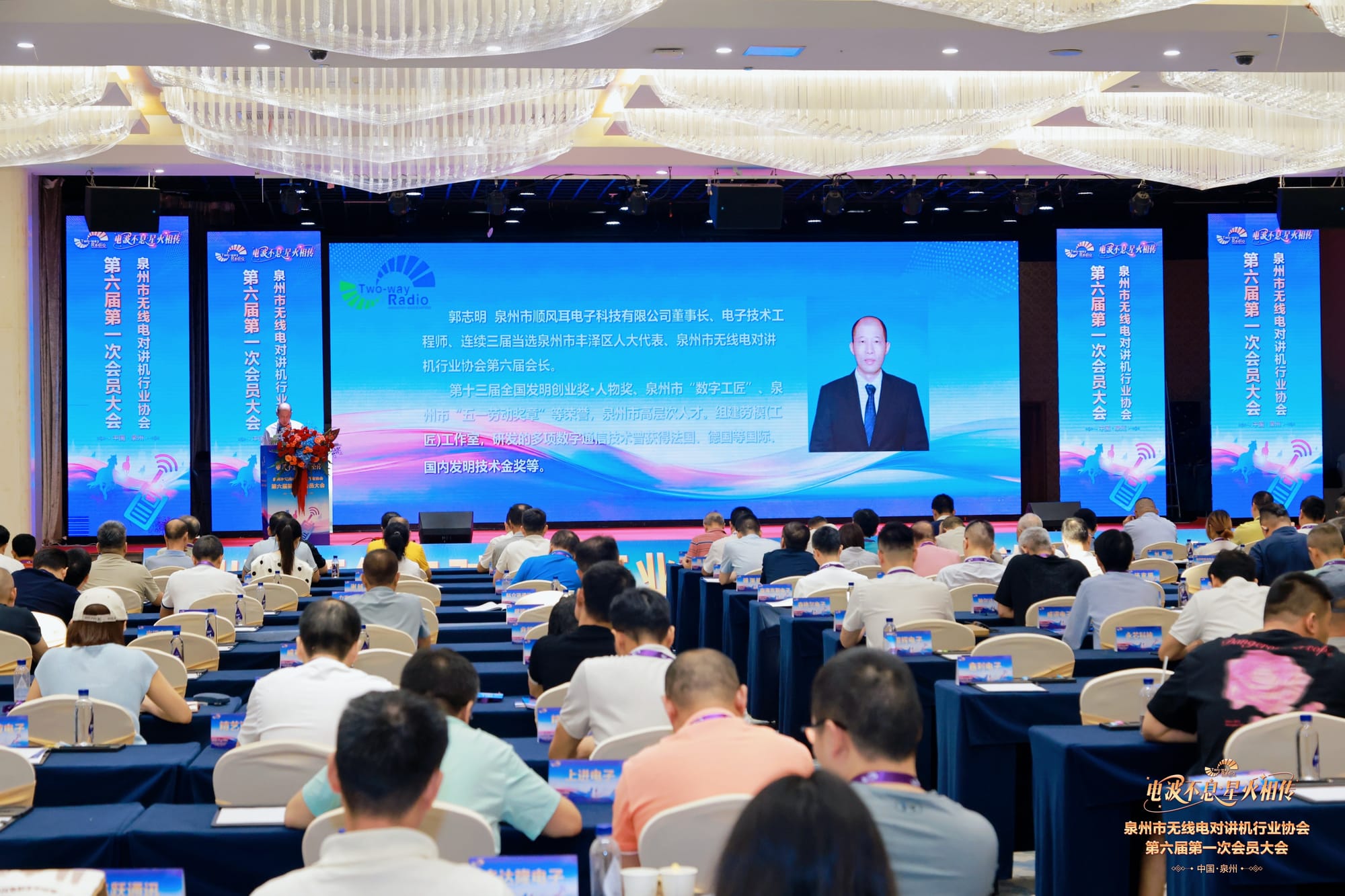
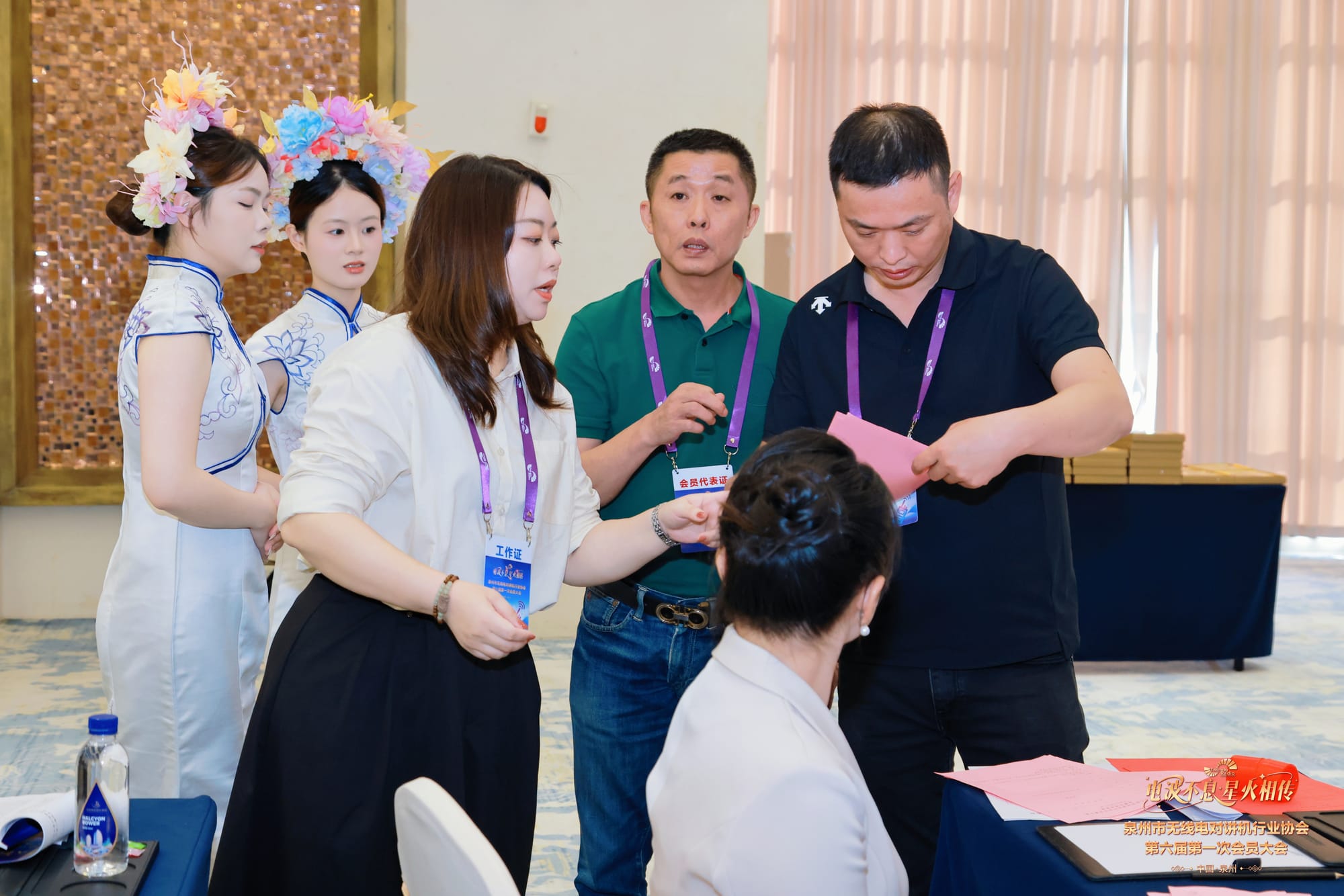
The Quanzhou Two-Way Radio Industry Association — the trade body for the city's dense cluster of handheld radio manufacturers, most of them clustered in Fengze and Nan'an — held its sixth-term member congress this week. Officials from Fujian's radio monitoring station, the municipal civil affairs bureau, industry and information technology department, and radio management office attended, alongside leadership from Nan'an's district government. Congratulatory letters arrived from the China Radio Association, the China Communications Industry Association, the China Invention Association, and several universities and research institutes with ties to the sector.
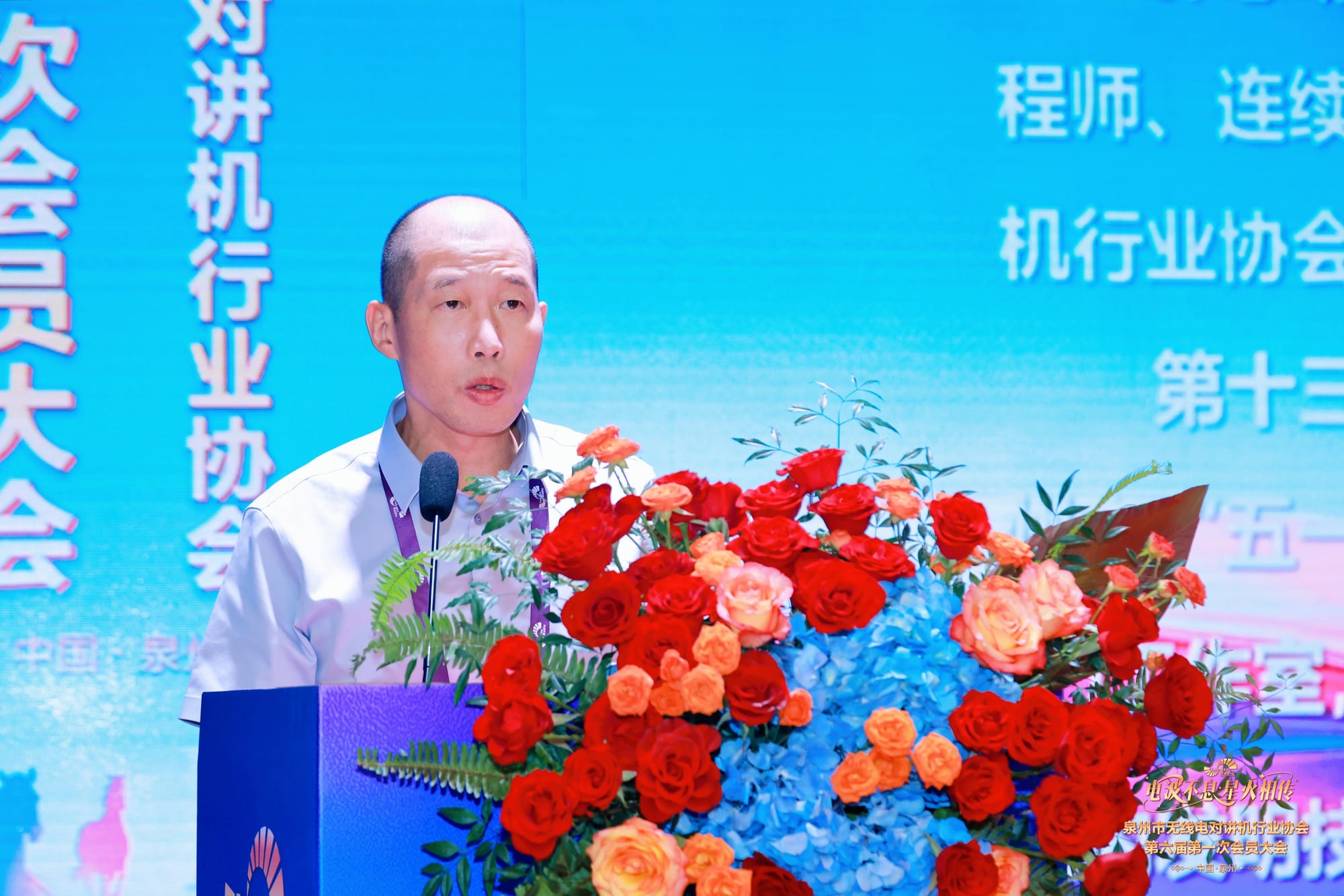
Guo Zhiming, chairman of Quanzhou SFE Electronics, was elected the association's new president. He's not just an industry organizer — he holds multiple international invention awards (US, France, Germany) for digital radio work and runs a provincially recognized "craftsman studio" focused on R&D talent development.
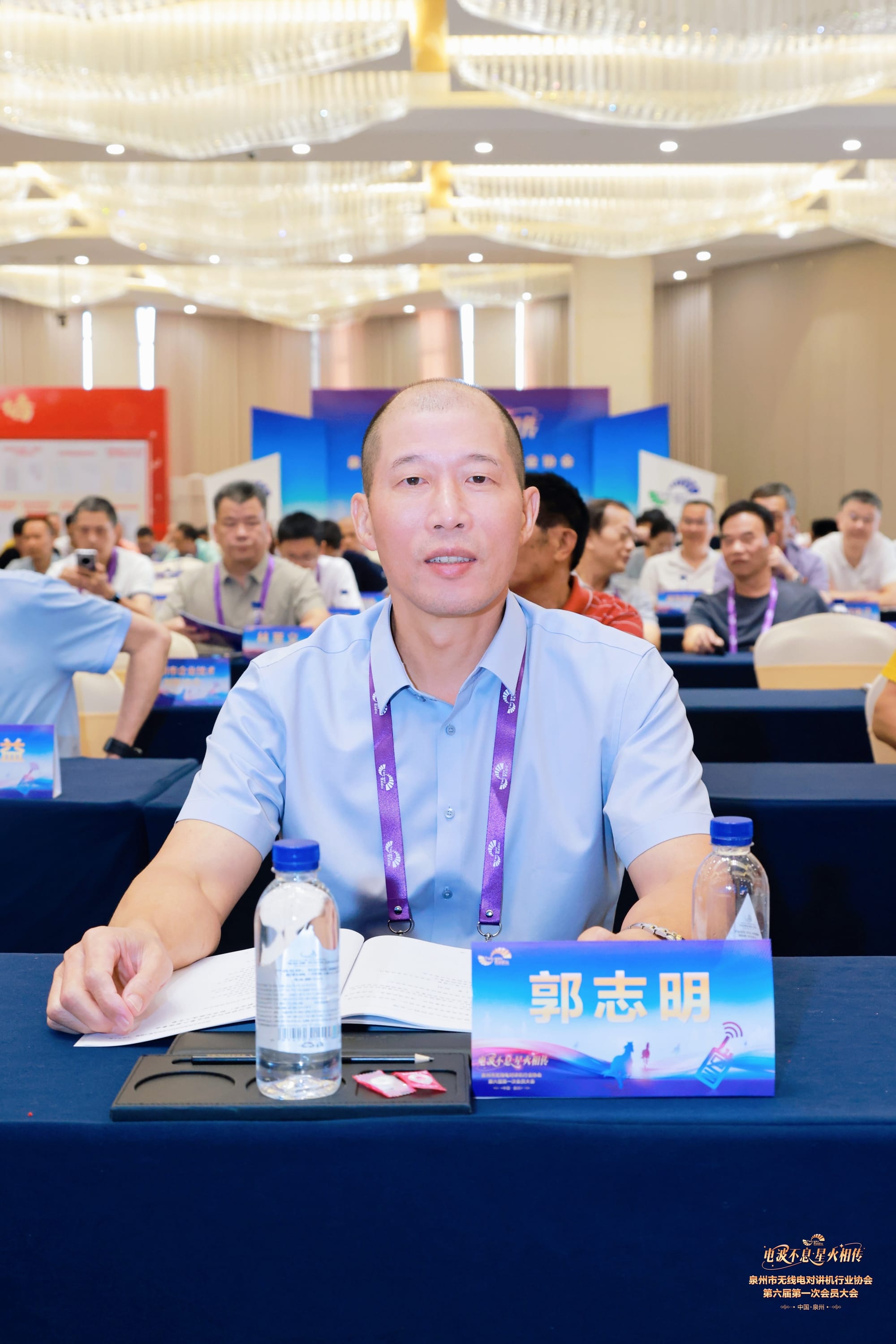
In his inaugural remarks, Guo laid out four priorities for the new term: acting as a bridge between manufacturers and regulators on radio-spectrum and telecoms policy; pushing the cluster upmarket toward digital radios, public-private network convergence, smart terminals, and quantum communications, rather than competing purely on scale; discouraging price-war behavior among members and strengthening IP protection; and doubling down on practical member services — certification, standards training, e-commerce, export support.
That last point is the one worth watching. Quanzhou's radio manufacturers built their position on cost and volume. A new president explicitly steering the association toward "technology and innovation advantage" rather than "scale advantage" is a signal — whether it translates into actual product-line shifts is a different question entirely.
The association also named its sixth-term advisory panel — twenty industry figures, including yours truly, in recognition of Critical Comms Asia's and 环球专网通信's coverage of the sector.
Founded in 2004, the association's membership now spans the full radio supply chain — R&D, manufacturing, sales, component supply, network platforms, and media.
Worth watching over the next term: does "moving up the value chain" rhetoric from a manufacturing cluster this size actually show up in product roadmaps, or does it stay association-speak?