Zhu Rongji and the Door He Opened
A personal reflection on the Premier whose reforms reshaped the ground under the industries I cover
Share ↓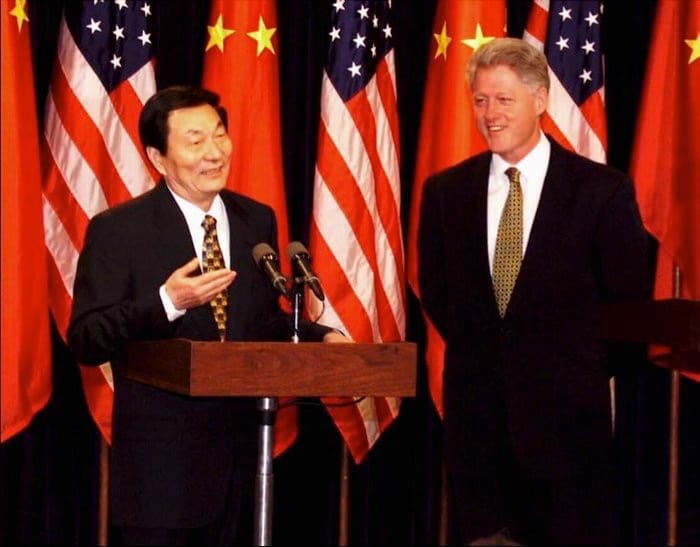
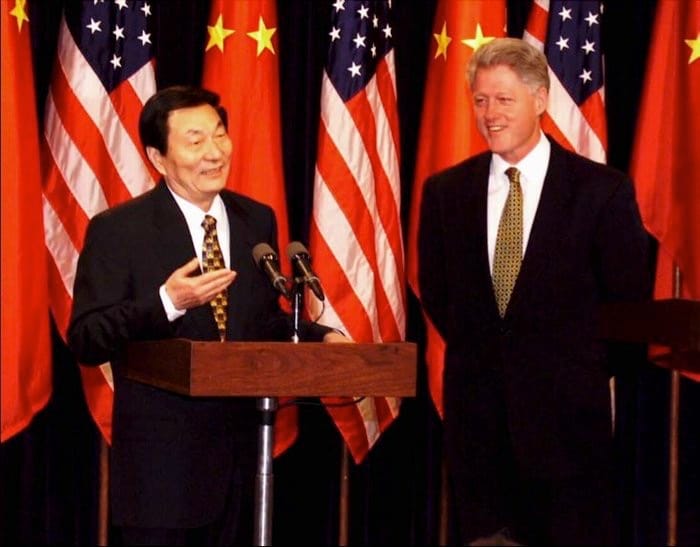
Zhu Rongji, China’s Premier from 1998 to 2003, died today at 98.
For most of the world, he’ll be remembered as the architect of China’s WTO accession — the technocrat who pushed through painful state-owned enterprise reform and, in 2001, opened China’s economy to global trade. For me, working with Chinese companies and writing about their place in the world, his legacy is more specific and more personal: much of what I cover exists in its current form because of the door he helped open.
The conditions came before the companies
In 2001, when China formally joined the WTO, there were few globally recognized Chinese brands. Chinese companies had limited international experience, and far less access to global markets than they do today. What existed was a set of conditions — lower trade barriers, exposure to international competition, integration into global supply chains — that made everything else possible over the following two decades.
Zhu’s tenure wasn’t popular in the moment. His restructuring of state-owned enterprises cost an estimated 40 million jobs. He tamed inflation, overhauled the currency system, and steered China through the 1997 Asian financial crisis by holding the yuan steady while much of the region devalued — a decision that helped build the credibility China needed at the WTO negotiating table two years later.
None of that shows up in a press release about a Chinese company’s latest export deal or international certification. But it’s the reason those deals happen, and the reason there’s a global market to enter.
From supplier to brand
The pattern I watch every week — Chinese-origin companies moving from OEM manufacturing to building their own international brand identities, entering new markets, competing on technology and reputation rather than just price — is a small, specific instance of a much larger shift that started with WTO accession. China went from a country with almost no internationally recognized brands to one whose companies now compete globally on their own terms.
That transformation wasn’t Zhu Rongji’s alone. It took millions of entrepreneurs, engineers, and factory owners willing to take the risk once the door was open. But he’s one of the people who opened it.
A complicated legacy, an undeniable one
History will keep arguing about the costs of his reforms — the layoffs, the disruption, the speed of change he forced on a system that resisted it. I won’t pretend to have a full account of that debate. But for those of us who work with Chinese companies and watch their place in the global economy today, it’s worth pausing to remember the decisions that built the foundation underneath us.
On a personal note: my grandfather was a Tsinghua classmate of Zhu’s, one year his junior, and served alongside him in the student union — a small thread connecting my own family history to his.
Rest in peace, Premier Zhu Rongji.