Ring's indoor drone is a consumer gadget. The rules it must clear are not
Amazon's Ring has finally announced a security drone, six years after the first one was shown. It will not ship until the FCC authorises it, under rules that since December 2025 have shut new foreign-made drones and drone parts out of the US market.

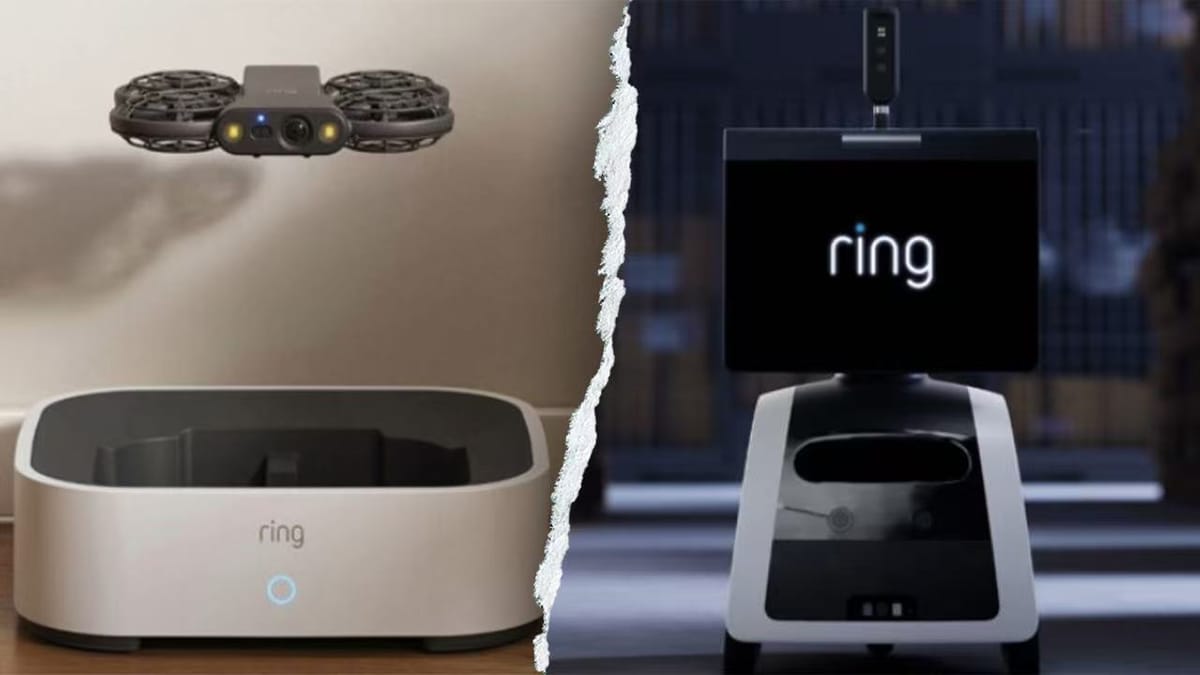
On 10 November, Amazon's Ring announced Ring Robotics, a product line of security devices that move. It has two products: the Ring Drone Cam, a small drone that flies around inside a home, and the Ring Rover Cam, a wheeled patrol robot for businesses.
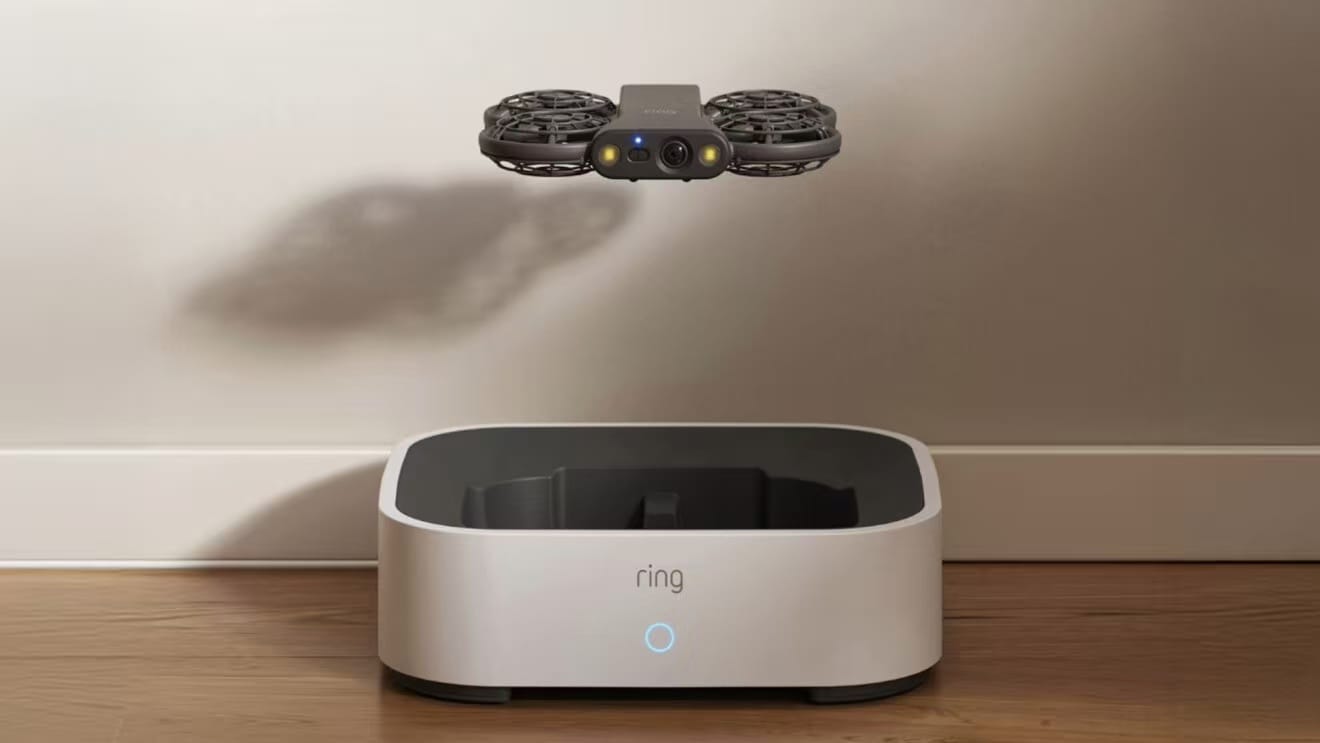
Most coverage focused on the novelty of a flying home camera. For readers in critical communications, two other details matter more. The drone cannot be sold until the US Federal Communications Commission (FCC) authorises it. And since December 2025, the FCC has blocked new authorisations for drones made abroad.
What Ring announced
The Drone Cam costs US$249.99 and weighs 165 grams. It records 2K video with a 148-degree field of view and has two LED lights for low-light rooms. It flies on a schedule or when another Ring camera, sensor or alarm is triggered, going to patrol points set by the owner. Setup is done by carrying the drone through the house so it can build a floor plan. (DroneXL)
The limits are tight. Flight time is five to eight minutes, and recharging takes about eight minutes for each minute of flight. The drone has little onboard sensing and relies on Wi-Fi and cloud processing; Ring says this is how it kept the price down. According to The Verge, as reported by DroneXL, without Wi-Fi it can do little more than land.
The Rover Cam costs US$999.99 and ships in the US on 16 December. It is built on Amazon's Astro home robot, with a camera on an adjustable mast, a siren, two-way audio and 4K recording while moving. Amazon withdrew Astro for Business in 2024; the Rover Cam brings the same hardware back as a security product.
Both devices use AI Pilot, Ring's software for mapping a building, suggesting patrol points and avoiding obstacles. A compatible subscription is required for full features; Ring told NBC News it costs US$5 a month. (Fox Business)
Six years late
The drone is not a new idea. Ring showed the Always Home Cam, also priced at US$250, in September 2020. It was offered by invitation in 2021, demonstrated again at CES 2023, and never shipped. Ring says it has worked on a home drone since 2016 and nearly released two earlier models before dropping them.
The new drone is far smaller than the 2023 demonstration unit. The price has stayed where it was in 2020.
The FCC gate
The Drone Cam ships on 27 January 2027, "pending FCC approval". Amazon is taking email sign-ups rather than preorders, because the device cannot be offered for sale before it is authorised.
That approval now sits inside a much larger policy. On 22 December 2025, the FCC added all foreign-produced drones and drone "critical components" to its Covered List, the same list that already includes equipment from Huawei, ZTE, Hytera, Hikvision and Dahua. Products on the list cannot receive new FCC equipment authorisations. The interagency determination behind the decision named data transmission devices, communications systems and flight controllers among the components of concern. (Covington)
Models authorised before that date can stay on the market. New models made abroad need an exemption. In January 2026 the FCC exempted drones and components on the US Department of War's Blue UAS Cleared List and those that qualify as domestic end products under the Buy American standard. (Baker McKenzie) Both exemptions were due to end on 1 January 2027. On 21 July 2026 the FCC extended them to 1 January 2028, and made a third route, Conditional Approval by the Department of War or the Department of Homeland Security, open-ended for as long as the applicant keeps to its onshoring plan. The current list is published on the FCC's Covered List page.
Jamie Siminoff, Ring's founder, told The Verge the drone complies with FCC rules and is assembled in the US. Ring has not said where its components come from or which exemption route it is using.
For a consumer camera, that is an unusual point to have to make. "Assembled in the US" is now part of a drone's market access, not just a marketing line.
What it means for Asia's suppliers
Chinese manufacturers make most of the world's drones and many of the parts inside them, including radios, cameras and flight controllers. Under the current rules, an indoor security drone of the Ring type built in China could not get a new FCC authorisation without an exemption. Hikvision and Dahua, two of the largest security-camera makers, have been on the Covered List since 2021.
The result is that the US home-security drone market is opening to a narrower set of suppliers than the camera market did a decade ago. Component sourcing, rather than price or features, may decide who can take part.
The trust question
Ring's previous drone faced privacy criticism from the day it was shown. The new one keeps its camera off while docked and shows a light when recording, and video can be end-to-end encrypted.
Ring's wider relationship with law enforcement is still a live issue. In February 2026, after criticism of a Super Bowl advertisement for its AI-based Search Party feature, Ring cancelled a planned integration with Flock Safety. That integration would have let police using Flock's system request footage from Ring owners through the Neighbors app. Ring said it had never launched and no customer video had been shared. (GeekWire)
Ring has not linked the new robots to any police feature. But a camera that can move to wherever an alarm went off produces exactly the kind of footage investigators ask for.
When a home camera can move on its own, and the regulator decides who is allowed to build it, is it still a consumer product, or is it becoming part of the security infrastructure?