Timing: The Quiet Dependency Nobody Talks About
Everyone in critical communications talks about coverage, capacity, and the migration to broadband.
Share ↓
Everyone in critical communications talks about coverage, capacity, and the migration to broadband. Almost no one talks about timing.
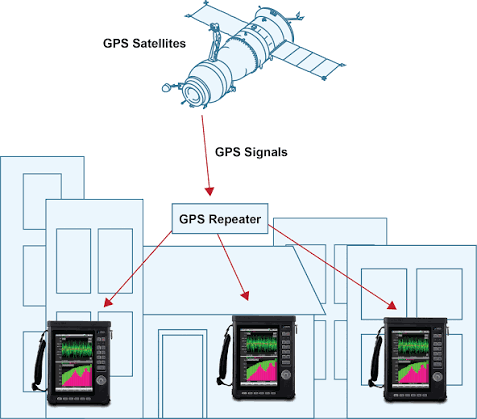
But timing is the foundation everything else sits on. TETRA, LTE, MCX — all of it depends on precise time synchronization, and most networks quietly assume GNSS will always be there to provide it.
That assumption is increasingly shaky. GNSS jamming and spoofing are no longer edge cases confined to conflict zones. They are a growing operational risk, and Asia-Pacific is not exempt.
China offers an instructive counterpoint. BeiDou paired with eLORAN as a terrestrial backup is exactly the kind of layered, sovereign timing architecture other countries in the region are now starting to ask about. Vendors with deep experience in 5G timing and synchronization — Huawei among them — are well positioned for where this conversation is heading.
If GNSS degrades or disappears, what happens to the network underneath your mission-critical voice and data? For most operators, the honest answer is: nobody has tested it.
Resilient PNT should not be an afterthought bolted on after a network is built. It needs to be part of the design conversation from day one, especially as the region moves further into broadband MCX.